
Abstract In this article, Rolfer Dr. Heather L. Corwin examines the evolution of becoming a parent as a Rolfer alongside the challenges that are faced with this change. Areas explored include career, body image, being a female, and cultural expectations. Dr. Corwin investigates her personal struggles with body tension, pregnancy, and the trauma of giving birth. The goal of this exploration is to offer manual therapists and movement colleagues a practitioner’s insight into the lifespan challenges that we and clients endure.
To be a parent or not to be a parent? This is a question I have asked myself, considered from many angles, and answered with the birth of my daughter. As a female Certified Rolfer who does not get paid if she does not work, this question gave me a long pause as to whether to expand my family; whether it was best for my husband and me to include a baby was a profound inquiry that we considered for quite some time. I had three stages of body awareness in my evolution to becoming a parent. My first thought was that parenting was not for me because it did not seem affordable even with a healthy body. Second, I considered it a leap of faith, hoping that having a child would work out as the next important step in my life. My third stage was recovering from the trauma of childbirth while I transitioned into being a parent. This article is going to look at my journey as a woman, as a Rolfer, and my body story through my metamorphosis into motherhood. My story may look like some of our client’s stories, and this is my purpose for sharing. Becoming a parent is part of my aging story, it shifted my experience of my body image. I had many thoughts about my body morphing through pregnancy, and the impact of childbirth was an experience that took time to unpack both professionally and personally.
A Continuity of Experience
My first pregnancy was terminated in the embryo stage and resulted in lasting tension in my pelvis. I was nineteen and going to be a sophomore in college. As access to abortion is in question across the United States, women who make this choice have trauma no matter what occurred and no matter how the women finds themselves in this position. For myself, I found people who could help me discover ways to release the tension and holding created by this trauma. Receiving Rolfing® Structural Integration (SI) and massage therapy helped me find more comfort in my body and ease in my pelvic floor. Pregnancy history is very relevant for women throughout their lives, whether carried to term or not.
Not only did Rolfing SI and bodywork help me release dance injuries that I thought would cause me pain for the rest of my life, but they also helped me prepare for my second pregnancy.
I received my first ‘Ten Series’ when I was twenty-three. At the time, I was a practicing massage therapist, a dancer, and an actor. Rolfing SI had been suggested to me by my stage combat teacher at university, so I was curious to try it. This suggestion came about because of a conversation on how to best engage in preventative care throughout my lifetime. We discussed all types of bodywork, and he said Rolfing SI was the most effective of any he tried. We had also been discussing common areas of tension and my body challenges came up, which were tied to pelvic tension, dancing, and migraines. That Ten-Series experience gave me newfound freedom in my body; it really changed my life. Not only did Rolfing SI and bodywork help me release dance injuries that I thought would cause me pain for the rest of my life, but they also helped me prepare for my second pregnancy. My Rolfing experience convinced me to become a Rolfer, to help people the way I had been helped. I brought to the structural integration training a specialty of supporting women through pregnancy and birth as I had already been working this way in my massage practice. But I became a Rolfer not just for pregnancy preparation, I wanted to offer all people ease and function in their bodies.
My Body Story
My body has always been responsive and dependable for me. From being a dancer early in my life to being a dance minor in my undergraduate studies, to becoming a bodyworker, the relationship I have with my body has been consistently clear to me. I can move as I feel a want to move. Over time, I also learned that I have kinesthetic synesthesia, which is being able to be in the same room with a person and feel what their body is feeling. This ability is tremendously helpful when working with people physically and psychologically. Finding ways to avoid being overwhelmed by this sensitivity to others is a skill that I have honed.
The persistent psychological ‘problem area’ of my body, tied to my pelvis, is my abdomen. Having a flat stomach makes me sexy; this is a belief that continually haunts me. Having a tummy, as Botticelli’s Birth of Venus depicts, was a sign to me that a person was lazy or undisciplined. I cannot say with any conviction how this belief began, whether this belief was instilled by dance teachers or immature, superficial brothers, but it was certainly reinforced by our culture. As you might imagine, pregnancy would profoundly impact this area of the body. My mother had twins of which I am one, and I had witnessed what her belly looked like in subsequent years. I did not want any pooch. Up until getting pregnant, I had successfully managed to maintain my body because I love engaging in athletic activities. However, I was to learn that one cannot be athletic in all stages of life.
The first pregnancy and subsequent termination created pelvic holding in my pelvic floor that I could feel when I paid attention to it, I often had tension in my anus. This was made clearer to me through training to become an actor, which for me included breath work, Feldenkrais Method® training, Alexander Technique classes, and honing my awareness of proprioception. Another area of pelvic awareness was through dancing and stretching. When I was holding in my pelvic floor, I could not complete leaps as successfully nor execute moves with leg swings or splay my legs wide in the splits. That’s not to say I was unable to do these actions; I just did them more effectively without pelvic floor tension. I would learn this in flashes of moments when I could focus on releasing through action, but the ability to be free of pelvic tension was not continual, it was erratic.
The abortion was an experience that I can clearly recall, moment to moment. I was scared. There was a lovely woman named Susan who held my hand and talked to me during the surgical procedure. The doctor was male, and whose demeanor was cold, he was dedicated to completing the task without any trace of humanity. Oddly, his disposition did not feel like judgment to me. During the procedure, there was a moment when I started to see black spots, a sign that my nervous system was overwhelmed and that I was going to pass out. The doctor said sharply to Susan, “she can’t pass out.” I willed myself to remain conscious, though the allure of dissociation was strong. The procedure was called menstrual extraction. There is a myth that a cervix does not have much sensation. I could acutely feel the needle into my cervix and the scrapping inside of it, which was the reason for my central nervous system being overwhelmed. I asked Susan what motivated her to do her work when I was thanking her afterward, her steady presence was a profound resource. She told me she learned that her daughter had had an abortion after the fact and wished that she could have been there for her. This is her way of being there for other women in ways she wasn’t able to be with her daughter. We both cried. Having an abortion did not mean I did not want to be a mother, it meant I knew it was not my time to become one.
As practitioners, it is valuable for us to read birth stories so that we can be informed about the injuries women experience while giving birth.
Prior to becoming a mother, my physical size was consistent, and my lifestyle was active. My physical capabilities had always been clear and responsive, a result of a lifetime of engaged movement and expression. In my adulthood, I had come to know what to expect of my body accurately. However, one experience would profoundly change my body: having a baby.
The idea of pregnancy was a whole new world of evolution for my body to consider and it was scary that some of those changes would be irreversible. I liked my relationship with my body. The memory of my mother’s body haunted me, my expectations of my body are high and can be unreasonable. What if I start to look like something I don’t like? What if my shape changes and I do not feel attractive? What if my clothes don’t fit me after pregnancy? What if my feet get bigger? These questions were my core worries of mine. Superficial? Maybe. But when you like your life, making a huge change means you might not like it as much after that change. Women think about all these different possibilities. The risks of pregnancy, for me, were worth the reward: my baby.
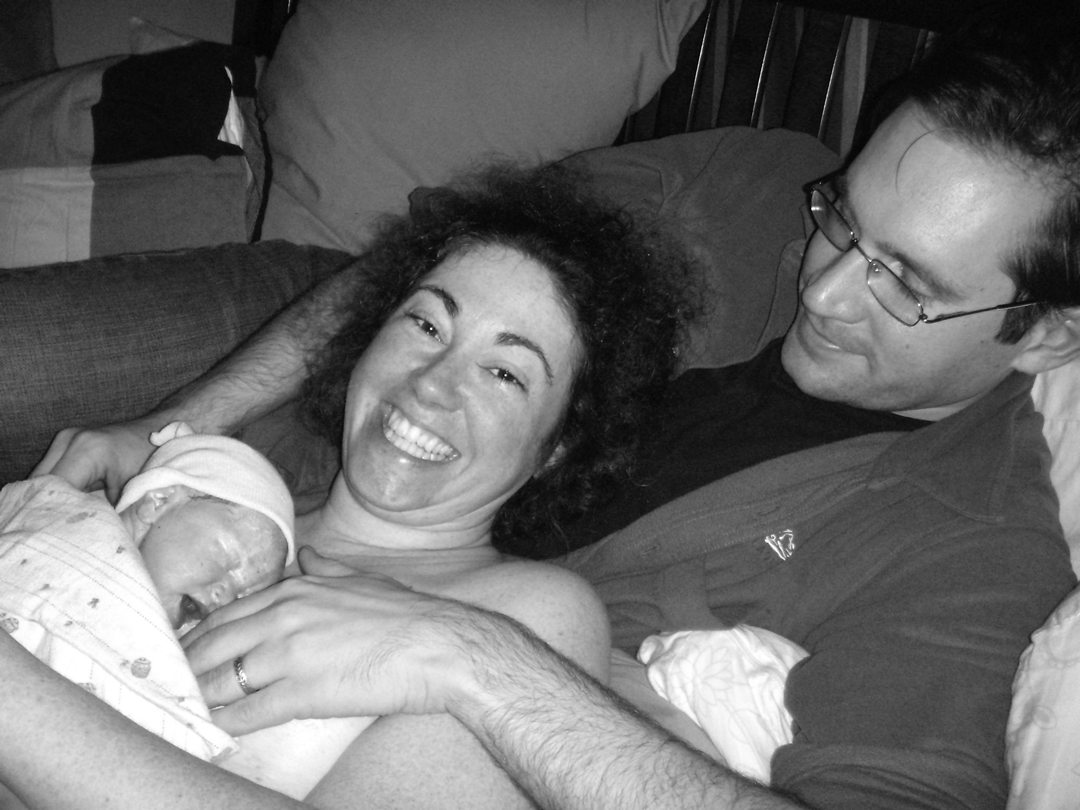
Being a Rolfer while Pregnant
My first challenge around becoming a parent was financial mixed with physical. My body did not allow me to work during most of my pregnancy, which took me by surprise. I had a rigorous Rolfing practice prior to my pregnancy, and I had seen athletic women keep running throughout their pregnancy, I surely thought I’d be fine to work at least a little bit. But, how was I supposed to continue practicing as a bodywork professional when I felt so nauseous that I had to stop sessions? I was also a professional actor working quite consistently the year prior to that pregnancy. I performed as a co-star on Grey’s Anatomy and that work as an employee allowed me to apply for a modest paid maternity leave. That was helpful but the amount was not nearly enough to replace my lost income. We were lucky, my husband and I received an unexpected windfall that took much of the financial pressure off for the duration of my pregnancy.
Moving around while pregnant was weird for me. After I started showing, I could no longer move quickly. I had to slow down, or I would have odd sensations in my body that made me nauseous. I had been an avid yogi prior to my pregnancy, and that too was something I had to stop. So many people at the time would ask me about my yoga practice because they knew I loved this kind of movement, and I felt guilty because I could no longer practice. It was a similar feeling to not be working with clients anymore, I struggled with the idea that I was not doing all I could for our child growing inside of me, ignoring that I was honoring my body.
The point is not what I do not have, the point is that I am healthy. I can and will have these thoughts, but I do not have to believe them or start ruminating because of them.
The encouragement given to me by one midwife was, “Your child is letting you know what is needed for them to grow and thrive. Listen.” So, I would do a slow shuffle on walks, get exhausted easily, and rest. I also learned that my husband does not have a lot of patience for me moving at a slow pace. I learned a lot about how some people are adaptable when it comes to others changing, and many people are not. Including myself. In my third trimester, I avoided driving because making a turn felt terrible through my torso. I would hold onto my belly and support it, which helped. But, I could not do that if I was driving. Plus people were impatient with my slow driving, which was anxiety-provoking for me.
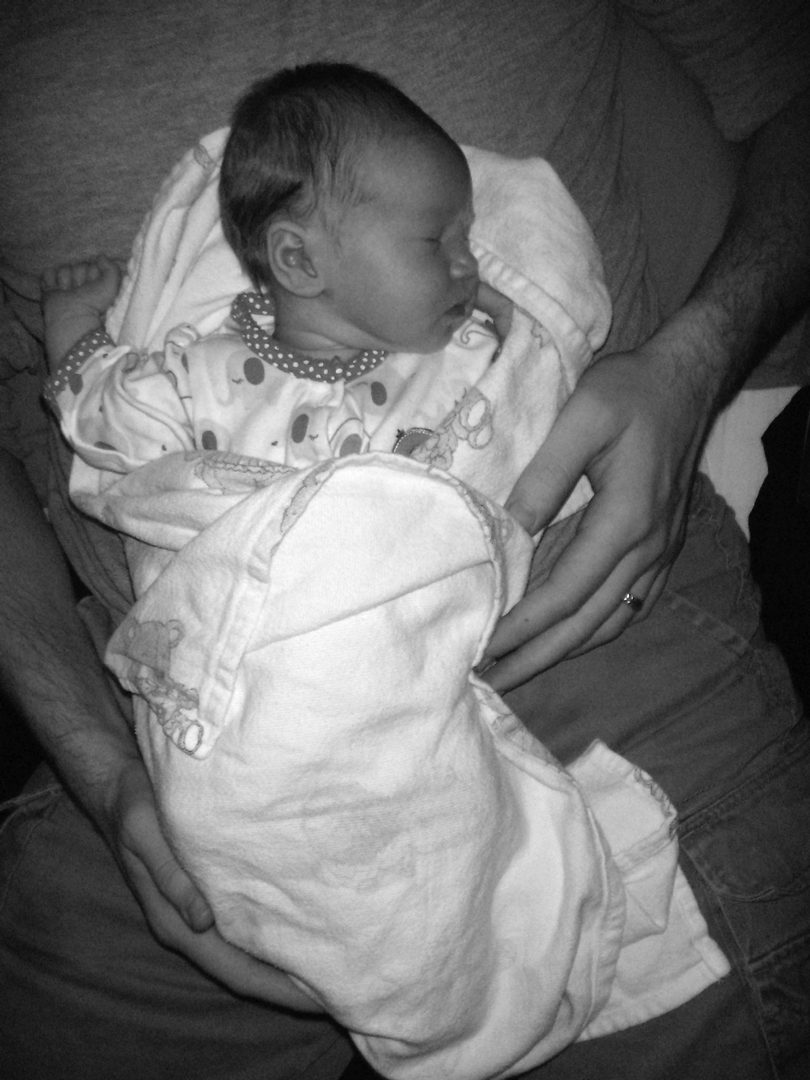
Birth, A Cautionary Tale
Before you read about my experience with birth, I invite you to skip it if you think it will be traumatic to read. As practitioners, it is valuable for us to read birth stories so that we can be informed about the injuries women experience while giving birth. As women who may be pregnant or as people who love someone who is pregnant, it can be too overwhelming to read about birth stories. I encourage you to honor your own intuitive wisdom. During my pregnancy, so many women thought I would want to hear all about their traumatic birth stories, and honestly – I did not. This was a boundary I learned to apply, a skill I got better at over time.
When the day of my daughter’s birth finally arrived, she was three weeks early but not premature. We planned to have a water birth at home. I had watched these amazing videos of women having water births and hoped to have a similar experience. Mine was a different story. My contractions started in the morning and the doula showed up in the late afternoon. By nine in the evening, the midwives had arrived. The water in the blowup birthing tub was ready for me, and I got in. I pushed. It was not time yet as I wasn’t dilated enough. I had showers, went for walks, sat by the fire since it was winter, and spent some time sitting on an exercise ball. At three in the morning, it still was not time yet. But, by then, I no longer had access to language. I was throwing up and dry heaving, this did not feel like the idyllic videos I had watched.
At almost noon the following day, I lay in our bed and pushed out our six-pound baby girl. I had deep tears in my perineum, and contrary to what I was told, I could feel everything. Please know that if any of your clients describe tearing during birth, there are gradations of severity, and they do affect the body for years afterward. For me, I had a stage four tear, which was almost the entire perineum torn front to back. I chose to go to the hospital the day after the birth for the stitches that I required.
It was quite some time between presenting at the emergency room to when I got the surgical care I needed. Thankfully my daughter was with me, skin to skin, and we were put in a private room. During the surgeon consultation, I was informed that the muscles that tore during the birth might not heal, which may mean it would be impossible for me to have an orgasm. Specifically, the impacted muscles included the pubococcygeus, iliococcygeus, and puborectalis, which all make up the levator ani muscle. It was not clear to me if the bulbospongiosus and the ischiocavernosus were also impacted. My brain shut down. The thought of my body not looking a certain way gave way to the more foundational need for functioning. This was a terror more horrific than any conjuring I could have thought up myself.
Orgasms have always brought me joy. I deeply cherish the unique connection orgasms foster with my husband. Beyond that, I enjoy masturbation and the sensual pleasure of a climax. In my experience, this sensation is an integral part of being a woman. There was no relief with this news as it might be for some women, my reaction was pure horror. I could not help but wonder if having a child was worth the possible loss of my ability to appease and enjoy desire. I did not blame my daughter, but I did not feel safe and wondered what other hidden terrors might be lurking as I embarked on my motherhood journey.
The birth was akin to defecating a million shards of glass, and yes, I remember it with startling clarity. But there I was at the hospital, with the anesthesiologist who understood that I was unmedicated, I did not so much as take an aspirin during the birth. She understood I was ready for medication to relieve the extreme pain I was in. She looked at me knowingly and with compassion said, “I’ve got you.” She felt like a superhero to me at that moment. We all went home the following morning in the early hours after I was stitched up, hoping my body would fully recover. My daughter had been born two days prior.
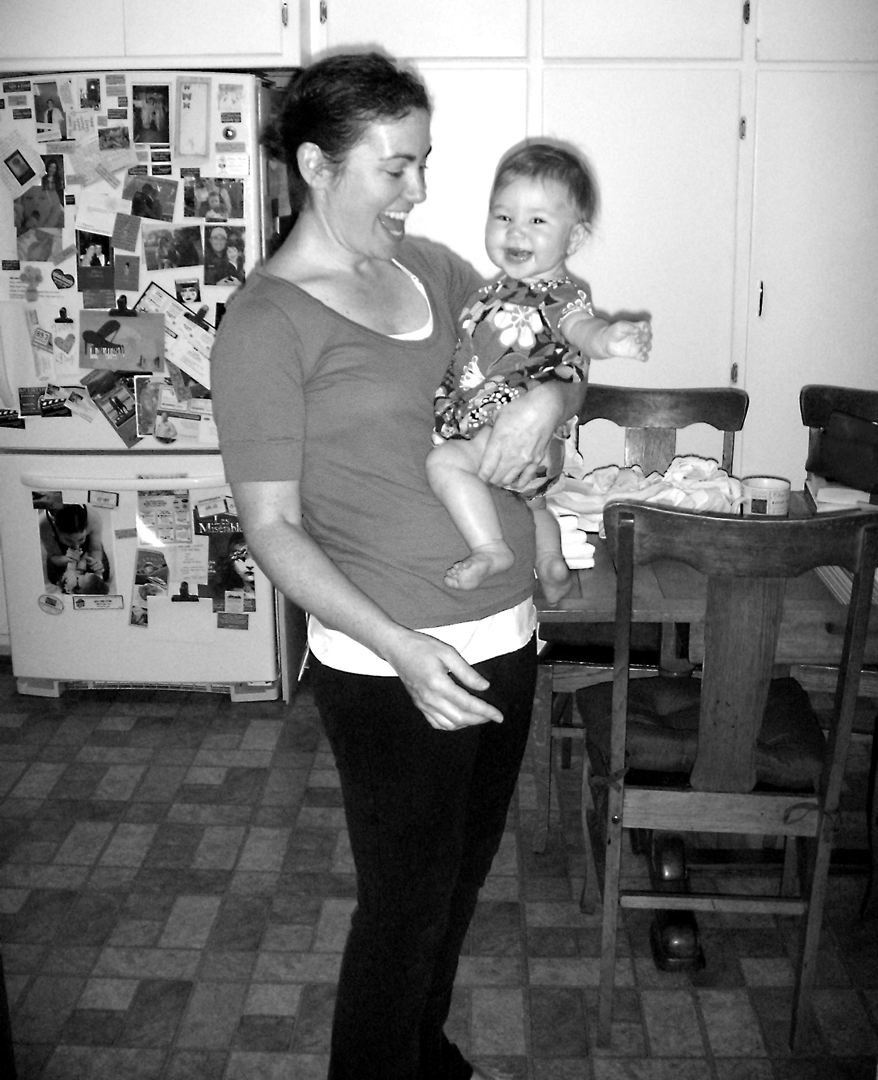
Grieving Loss While Welcoming Baby
The trauma I sustained in my body from birth was profound. I felt betrayed by my body because it was not like the movies I had watched with women in ecstasy, rewarded by a baby glowing with love. Was I not made to give birth? In the past, when I had been injured, my body had always bounced back and performed better than I expected. Not in this instance. I would never be the same. The fear of not knowing if I was going to ever have an orgasm again was ever present in my mind as I was recovering from birth. The fear made me angry and anxious. Our daughter was healthy and sweet, and I did not blame her for my pain and suffering. At first, I did not have an overwhelming sense of love for her when I looked at her, and this worried me. This idea that love happens the instant after birth when looking at your kids is a myth; I did not experience it this way. I was happy that I did not hate her. She slept a lot, was cute when awake, and loved cuddling. She received a clean bill of health.
In my first follow-up visit after the surgery to repair my perineum, the gynecologist made me laugh because we were talking and she observed, “You don’t have postpartum depression.” I asked her how she knew that, because on the inside, I was feeling like I was grieving for the life that I had. There was a lot of sadness in my experience. She said, “I have three kids, and that’s how it goes. What you’re feeling is different from postpartum depression because you’re still functioning and processing being a new parent.” I knew what she meant, but no one told me about this part of being a parent: grieving my lost life.
When I looked down at my body, my belly was still big. I would take my infant daughter on walks pushing the stroller and process the alternative and slower pace that was necessary at the beginning of recovering from childbirth. I would wear maternity clothes because my body did not bounce back like I’d witnessed other women do. My belly was not flat. An awful moment for me was when a dear friend who I had not seen in a while asked if I was pregnant when my daughter was a few months old. She was horrified to learn I was recovering from birth, and I was so embarrassed and ashamed that I did not look thin. We have not spoken since. Bodies evolve and are impacted by the way we engage with them. Mine was working at such a slow pace that I fought self-loathing based on unkind judgments or beliefs I wrestle with to this day.
My models for self-love are my mother-in-law and sister-in-law. They are brilliant, kind, and have no attachment to looks. The latter is what I admire most and work to implement in my life. It’s not that they do not believe in looking good, they do look great. They are unconcerned with their weight or body image. Their belief is that their bodies are healthy and that’s enough. This idea was revolutionary to me. Even as I logically thought I should feel this way, I never met anyone who so clearly lived this idea. As my abdomen was soft and my hips wider, I struggled to feel attractive. As a side note, my two brothers have a preoccupation with how women look, and I feel confident this was also a factor in my judgemental belief system.
Holding my baby was knowing that I would never have the life I had before, it did not exist anymore. I was required to look forward and create a new life with a new family member whom I cherished and who needed me in ways that I could not have understood prior to having her. It was in the back of my mind that I did not want to lose a part of my sexuality or worse, have pain when engaging in sexual intercourse.
Support not only comes from the ground; it comes from the people around us as well.
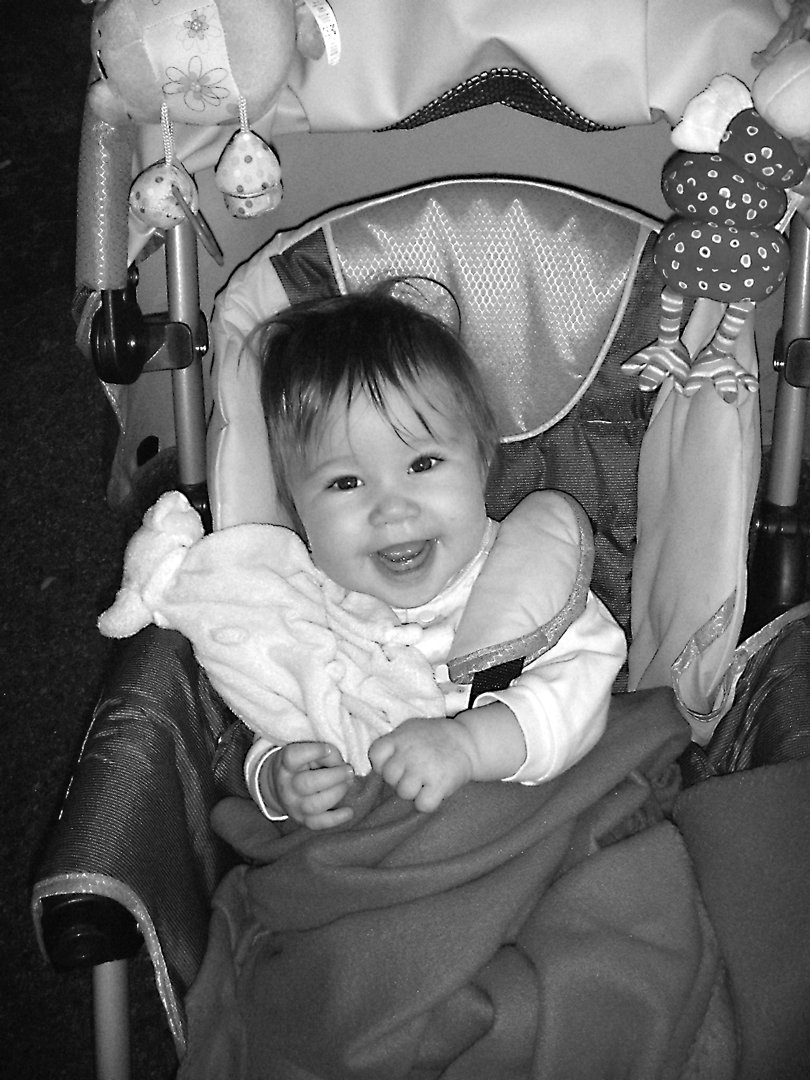
Recovery
I overcame my first hurdle, some of my pelvic floor muscles could engage through classic Kegel exercises. This was encouraging for me; it gave me hope that an orgasm may become possible again. Not surprisingly, because of the trauma in my pelvis, I was not interested in having sexual relations at that particular moment in time. My avoidance of sexual intimacy was exacerbated by sleep deprivation and nursing my daughter, which made me feel like a cow, literally.
We can talk about the magic and wonder of life, and nurturing our infants, and there is also the immense toll that effort can take. This is not to say that I was an unwilling participant in nursing my daughter. Rather, I am naming how difficult I found my experience to be, which is complex and layered. This brings up for me the belief that I learned about our society’s notion that all parenting is wonderful and joyous. Yet, sleep deprivation is one of the most effective torture devices used on humans. When sleep-deprived, a person does not exist as joyful or fully functioning. Though I did enjoy many of the activities I had in a day, the sleep deprivation, as every new parent experiences, meant many of my activities were done because I knew they had to be done.
Support not only comes from the ground; it comes from the people around us as well. I did not have family nearby to help with those early days, which was an element of support I was wholly unaware that I needed. Looking back, and as I work with women who have family support from their parents and their siblings, I am profoundly touched by how other families work to forge community during this time of family growth. This was made more acute when in-laws would stay with us to help and then leave. Alas, some families are not capable of continual support. When your client is welcoming a child into the world, ask who will be supporting them in this change. For me as a new mom, I felt overwhelmed by the many roles I was attempting to fill.
I found friendship and kindness amongst my cohort of friends. Yet, I could not bring myself to discuss the terror of my compromised perineum. The scars were palpable and would cause shooting pain. This would happen if the area was massaged. Penetration caused searing pain, regardless of my excitement. Pleasure was always overshadowed by pain. This reconditioning of my sexual arousal response was awful in so many ways. My husband was, and is, patient and kind. In truth, he is the kindest person I have had the good fortune to know. Intimacy is more than sexual intercourse, and that was a fun part of our relationship that we both missed. I grieved this part of my life, preparing for the worst, and hoping for the best.
After months of healing and working with the scars to attempt to decrease the adhesions causing pain, I was able to have an orgasm! The relief was mixed with joy and hope. Through patience and perseverance, we were able to engage in sexual intimacy without pain of any kind. That journey took almost five years. This harrowing process helped put my body image expectations in perspective. Function will forever be more important to me than looks. After my experience, I was introduced to some physical therapists who are pelvic floor experts. These manual practitioners work inside and outside the pelvis to address the tension that can cause pain in the pelvic girdle. These experts introduced me to a variety of tools and stretches that are useful to ease pelvic tension. I mention them because I did not know people had this kind of expertise – and now you know too. Tell your clients.
Next Steps
Getting back to work was not easy, but it was necessary. We had childcare and I returned to offering Rolfing sessions. I was also completing my doctoral classes in clinical psychology with a somatic concentration, which was followed by a dissertation that took over two years to complete. You could say that I enjoy challenges.
After my metamorphosis of becoming a mother, I found the early journey agonising. I learned about my own beliefs that became conscious regarding what it is to be sexy and the expectations that I have of myself that are not healthy or kind. Through this journey of loving a little girl, now a tween, I have been able to work with these thoughts that haunt me. I buy clothing that is comfortable and not punishing. I recognize when I am telling myself mean things about my size now versus what I used to look like. Most of all, I lean into the wonderful relationship I have with my husband and enjoy our intimacy – based on our intellectual and physical connection regardless of my ‘size’. I want to mention that I’ve talked about my body insecurities with friends and some will dismiss my wish to be living in my pre-birth body as an invitation to evaluate my looks and tell me it could be worse. Yes, it could be worse. I could not be having orgasms. The point is not what I do not have, the point is that I am healthy. I can and will have these thoughts, but I do not have to believe them or start ruminating because of them.
As manual therapists, when a woman client tells you, “I have three children,” ask questions. The type of birth will give you insight into potential adhesions and areas of metamorphosis that may need support or attention. For example, a Cesarian section will have a scar near the pubic bone. In my experience, working on those adhesions has impacted my clients’ back pain, pelvic pain, and more. Vaginal births often include trauma to the areas of the pelvic floor. This can translate to many of the approaches vital in session five of the ten series, the pelvis and the psoas. I find the iliacus to be a muscle that gives me a lot of information about the pelvis. The ability to access the iliacus, the tension in it, and the release often echo that of the pelvic floor. Asking if they have any trauma that might inform your work could be helpful. Likely, these areas of the body they mention are not ideal to work with until you have established trust. Rarely do I work during the first session in someone’s psoas. It’s invasive, and sometimes the abdominal muscles will kick me out.
Another thing I keep in mind is a person’s relationship with touch. There are many parts of the body that a person feels no hesitation in having work done, the pelvis for women is not often included in this hesitation-free zone. To prepare for the front of the pelvis work, the posterior of the pelvis work often helps ease the area into an understanding of the function of the work we are doing. The piriformis tends to be my indicator of the posterior pelvic muscles and these fascial relationships. Lastly, the tensor fascia latae is the book ends of the lateral pelvis and can be a key into establishing a connection to the pelvis. I have found many women who had no idea they had anything going on with their tensor fascia lata until I worked with them, and the aftereffects were a more buoyant pelvis with ease in motion. Birth has lasting impacts emotionally and physically. Helping support our clients physically will help them emotionally.
As my daughter grew, so did my love for her. My husband and I connected through the challenges that we faced together as parents and partners. Seeing the world through our daughter’s eyes is magical and inspiring. Finding ways to comfort her when anxious or hurt became my biggest challenge. We found help when needed through therapists, friends, and educators. We use laughter as medicine and words to expand the meaning of our experiences. My husband and I found ways to connect that help us stand the test of time. Even when I lost hope that we could do so, we had each other. I was not sure this physical limitation was something we could overcome, even if the pain went away. I’m so glad those fears were wrong. We did overcome it, together.
Heather L. Corwin holds a PhD in clinical psychology with a somatic concentration from The Chicago School of Professional Psychology and an MFA in acting from Florida State University/Asolo Conservatory. Currently, Corwin is a co-owner and practices as a clinical fellow at Lake Behavioral Health Associates in River Forest, Illinois. As an actor for over twenty years and theatre arts professor at places like Roosevelt University, Ashland University, and Pasadena City College, Corwin’s research and work examine behavior through the lens of psychology, allowing the flaws of being human to unite us through creative expression. Corwin is a Certified Rolfer, a belly laugher, a talk therapist, married to the love of her life, mom to an energetic tween, and a fan of historical romance. To read more publications and learn more about her, visit BodybyHeather.com or CorwinCounseling.com.
Keywords
pregnancy; childbirth; perineum pain; birth trauma; orgasm function; body image; self employed during pregnancy. ■
View all articles: Articles home
Share this article:


